Global Compute Strategy Consulting
Capacity planning, region and site selection, build-vs-buy and partner strategy.
Global Compute Strategy Consulting for enterprises and agents planning AI capacity — from site and cooling choices to Liquid Cooling Data Center Deployment and the supporting services around it.
Rising chip and memory power is pushing AI racks past what air can cool; ASHRAE TC 9.9 recommends that new data centers plan for liquid cooling. We help you decide where, how and with whom to deploy it.
Our Compute Infrastructure Consulting covers cold-plate and immersion options, coolant distribution, facility integration and vendor selection — including China Liquid Cooling Solution suppliers where they fit your requirements — through to Global Compute Implementation.
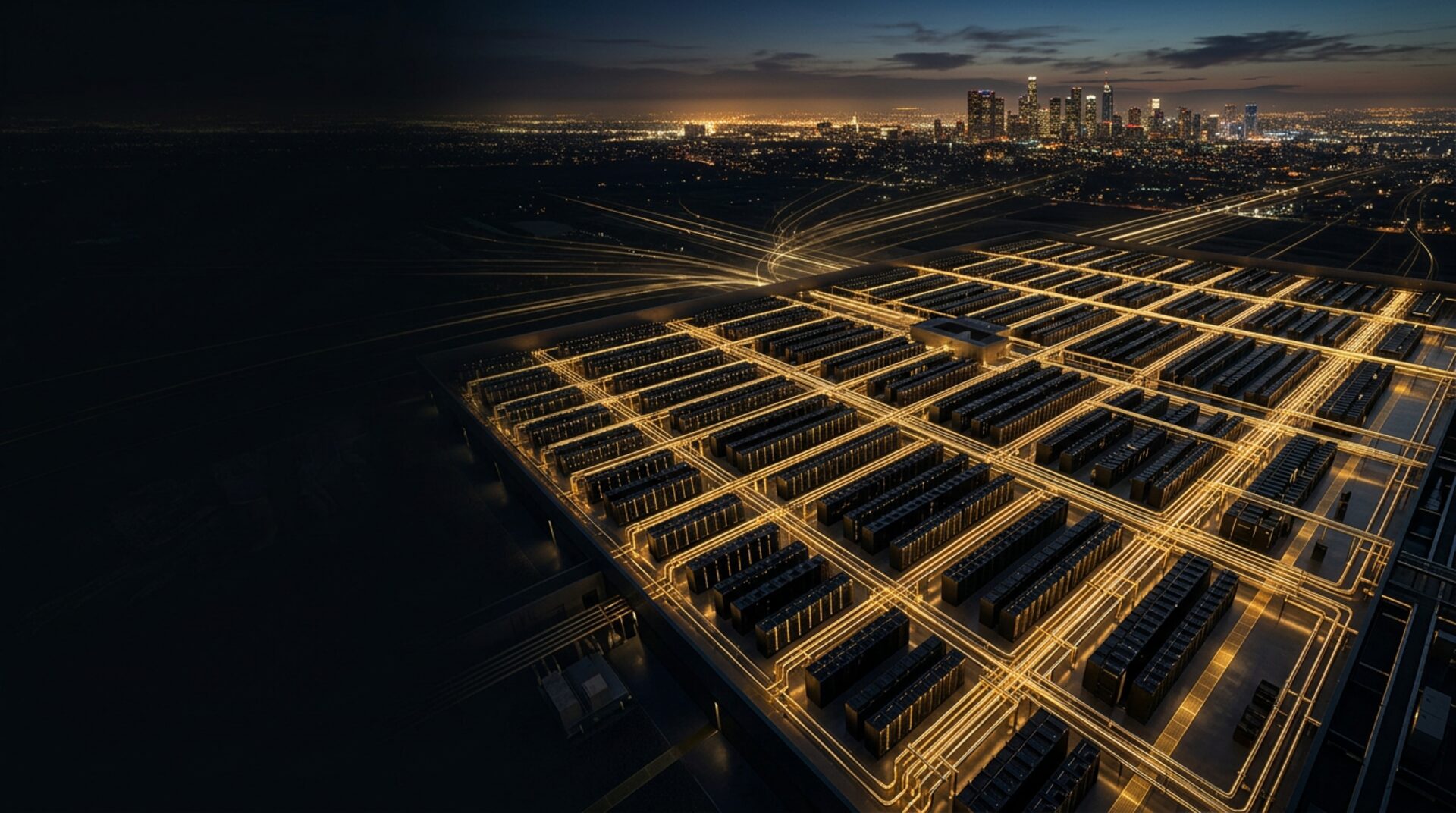
A dynamic, top-down view of an AI data hall — the format we use to walk stakeholders through layout, liquid distribution and capacity.
Capacity planning, region and site selection, build-vs-buy and partner strategy.
Rack density, power and cooling architecture reviews for AI workloads.
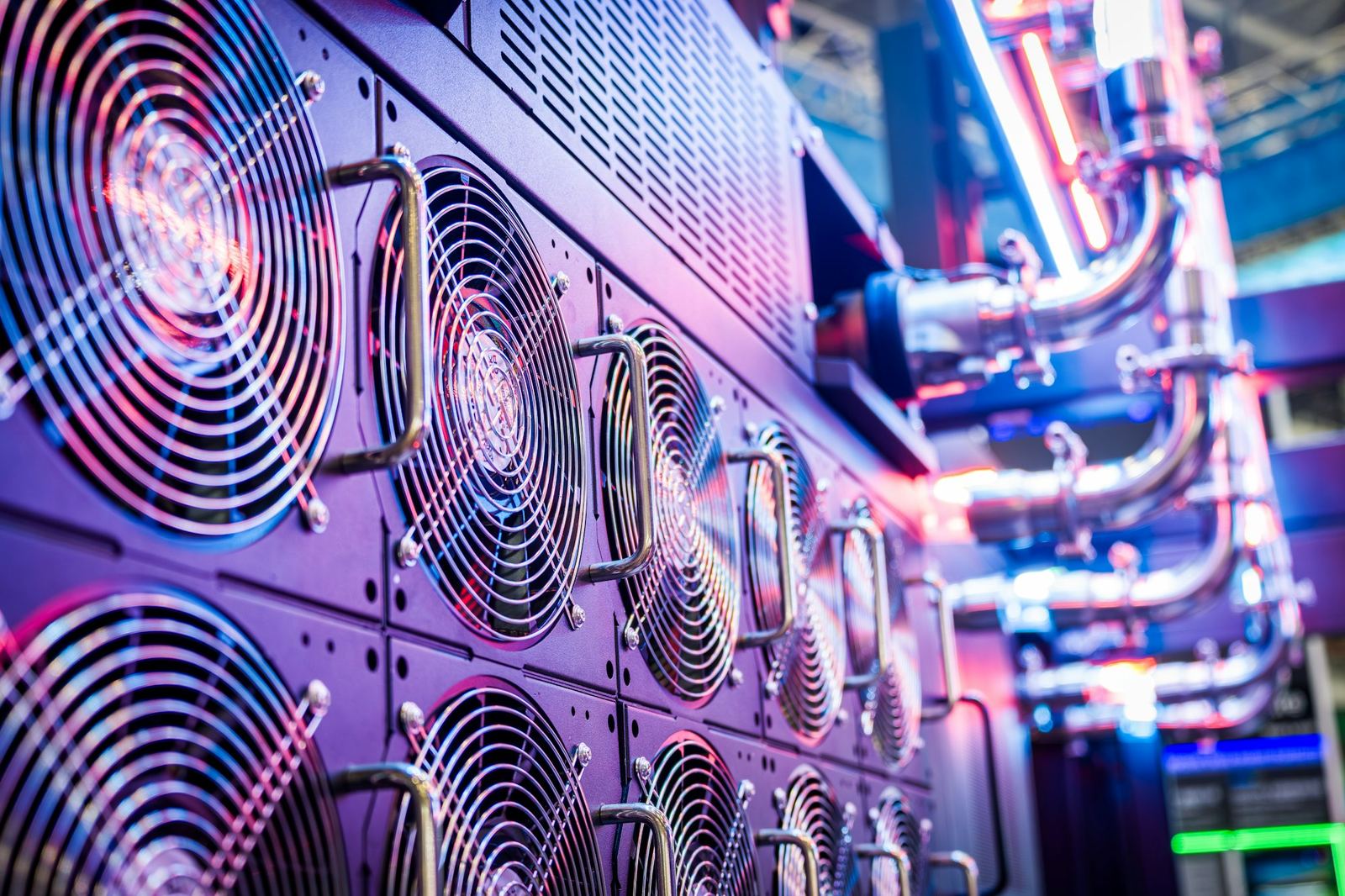
Cold plate, immersion, CDU and heat-reuse options compared against your site.
Deployment planning, supplier coordination and commissioning support.
Public standards and whitepapers from OCP and ASHRAE as the reference base.
Supplier matching (②), API capacity (①) and written agreements around the project.
Workloads, density targets, sites and constraints.
Cooling architecture and reference designs.
Vendor shortlist and screening via ②.
Implementation, commissioning and handover support.
An infrastructure readiness snapshot: site, power, cooling and density constraints reviewed against your plans.
A tailored architecture and proposal: power pathway, cooling design, partial-load requirements and a vendor RFP with deal-breaker screen.
Owner-side oversight through deployment and commissioning, colocation sourcing and interim API capacity, with regular reporting.
Readiness snapshot
Architecture & RFP
Owner-side advisor
No public price list: every proposal is scoped and quoted in writing.
Two anonymized briefs showing how we structure engagements. Key points and outcomes only — the working methods stay in the engagement.
An AI inference and LLM research environment planned at 500 kW over two to three years, starting with B300-class systems and planned to take Rubin-generation systems later.
Pathways, space and interfaces are sized for the full build-out; pods are added phase by phase without outages to live systems, and next-generation readiness is re-confirmed against vendor roadmaps at each phase.
Three power options are assessed: 415/480 V AC today; AC today but 800 VDC-ready; or early 800 VDC adoption. NVIDIA has signalled 800 VDC as the direction for next-generation AI factories, so the output is a recommendation with its rationale and decision triggers for revisiting it.
Direct-to-chip liquid cooling with in-row or in-rack CDUs is compared with a hybrid liquid-plus-air design, using the actual system SKUs: liquid/air heat split, residual air-side capacity, CDU modularity by phase and facility-water temperature strategy.
Day-1 load is a small fraction of design load, so efficiency requirements are set for low load as well as full load — UPS and CDU behaviour and how redundancy is structured — and written into the vendor RFP.
Size the pathways for 500 kW. Size the spend for Day 1.
Phase sizes are set per engagement; bars are illustrative. Source: AaronAlphaX illustrative engagement brief.
| Option | What it keeps open | Main risk to manage |
|---|---|---|
| A · 415/480 V AC | Matches current B300-class requirements and supply chain | Later move to DC may mean rebuilding the electrical room |
| B · AC today, 800 VDC-ready | Space, pathways and interfaces provisioned to convert later | Upfront provisioning must be justified by decision triggers |
| C · Early 800 VDC | Native DC from day one | Equipment maturity, vendor support and timing |
Source: AaronAlphaX illustrative engagement brief; NVIDIA Technical Blog, “NVIDIA 800 VDC Architecture Will Power the Next Generation of AI Factories” (May 2025).
How a brand improves how accurately and how often it appears in AI-generated answers across ChatGPT, Perplexity, Google Gemini and Google AI Overviews — measured against an agreed set of buyer-intent prompts.
An AI visibility audit records whether the brand is mentioned, how it is described and which sources are cited, compared with a small set of named competitors.
Structured-data and brand-fact fixes help AI systems recognise the brand as an entity; a content and citation-source plan then targets the owned and third-party sources the category relies on.
The agreed prompt set is measured every month against the Day-0 baseline. Visibility depends on third-party AI platforms, so outcomes are reported, never guaranteed.
Success is a measured trend against the Day-0 baseline — not a guaranteed placement.
Source: AaronAlphaX illustrative engagement brief.
Community project for advanced data-center cooling: cold plate, coolant distribution units, immersion, door heat exchangers and heat reuse — with public specifications and white papers.
Open document → Third-party reference③ Open Compute Project · White paper · CC BY-SA 4.0Planning guidance for adding liquid-cooled IT to data centers: piping, CDUs, temperature control, SLA boundaries and risk analysis.
Open document → Third-party reference③ ASHRAE TC 9.9 · White paper (2021)ASHRAE Technical Committee 9.9 explains why rising chip and memory power make liquid cooling a planning requirement for new data centers.
Open document →Third-party public references, linked for context — not AaronAlphaX clients, partners or endorsements.